

Pasture to Plate
Hebridean Lamb BBQ Box


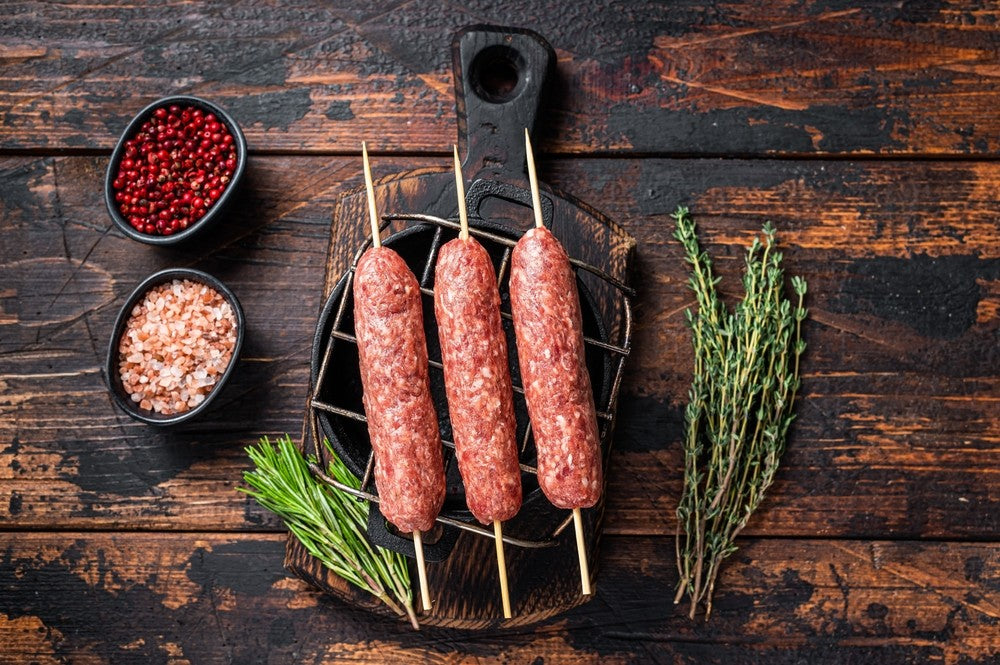


Pasture to Plate
Bantam fertilised eggs

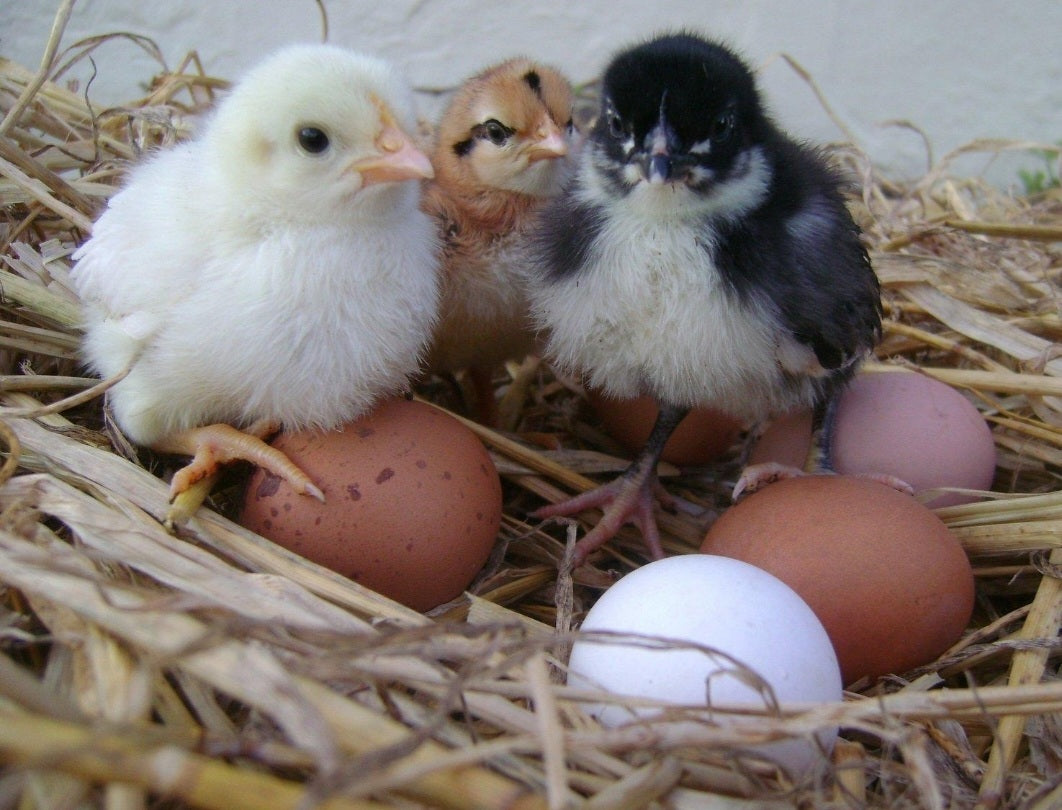
-

Regenerative Farming
Regenerative farming works by using natural processes to rebuild soil, restore ecosystems, and produce food in a way that improves the land year after year. With cattle and sheep, this means carefully managed rotational grazing, where animals graze small areas for short periods before being moved on, allowing grasses and herbs time to fully recover. This grazing pattern mimics how wild herds once moved across the landscape, stimulating plant growth, deepening root systems, and feeding soil biology through natural manure and trampling of plant matter back into the ground. Healthier soils store more carbon, hold more water, and grow more nutritious pasture, reducing the need for artificial fertilisers, chemicals, and bought-in feed. The result is resilient grassland, thriving wildlife, and animals that live outdoors on a natural, diverse diet—producing meat that reflects the health of the land it comes from.
-

Organic Standards
Our farming follows organic principles and standards in practice, focusing on natural pasture-based systems, healthy soils, and high animal welfare. While we are not currently certified organic, we operate in line with organic requirements by avoiding routine use of artificial fertilisers, pesticides, and preventative antibiotics, and by prioritising animal health through good grazing, space, and low-stress management. This approach aligns closely with regenerative farming, allowing us to be transparent about how our food is produced while keeping our focus on improving the land, the animals, and the quality of the meat.


-

Animal Welfare
Regenerative farming places animal welfare at the centre of how food is produced. Cattle and sheep are kept outdoors on pasture for most, or all, of their lives, grazing fresh grass and diverse forage as they are naturally designed to do. Regular movement onto clean ground reduces stress, parasite pressure, and disease, while access to space, fresh air, and natural social behaviour supports both physical health and calm, settled animals. Because the system relies on healthy pasture rather than intensive inputs, animals grow at a natural pace without the need for routine antibiotics or confinement. Good welfare isn’t an add-on in regenerative farming — it’s the foundation, and it shows in the health of the animals and the quality of the food they produce.
-

Ethical Meat
Because our animals are raised regeneratively on healthy, diverse pasture, the meat you eat is a direct reflection of that care. Animals grow at a natural pace on grass and forage they are designed to eat, resulting in meat with better texture, flavour, and nutritional quality. Healthier soils produce more mineral-rich plants, which in turn support healthier animals and more balanced fats in the meat. There’s no need to mask flavour or rely on intensive systems — just honest, properly raised meat that’s better for your body, better for the land, and something you can feel confident feeding your family.


